TL;DR: Nail sickness is the slow corrosion of the nails holding your roof tiles, common on Oxford homes from the 1930s–1970s. The tiles are often fine; the fixings have rusted away. A few can be re-secured, but widespread slippage usually needs the roof re-felted and re-fixed. Book a free inspection before a slipped tile becomes a leak.
Typical 2026 nail sickness repair prices in Oxford
Use these Oxford price ranges to plan a 2026 roofing budget for the work covered in this guide.
| Roofing service | Typical 2026 price range in Oxford |
|---|---|
| Replace a few slipped tiles | £150–£400 |
| Re-felt and re-tile (nail sickness fix), per slope | £1,500–£4,500 |
| Full re-roof, terraced house | £5,000–£9,000 |
| Full re-roof, semi-detached | £6,000–£15,000 |
| Full re-roof, detached | £9,000–£20,000+ |
These are guide figures for budgeting, not quotes — your roof might sit above or below them. The only way to a firm number is a survey.
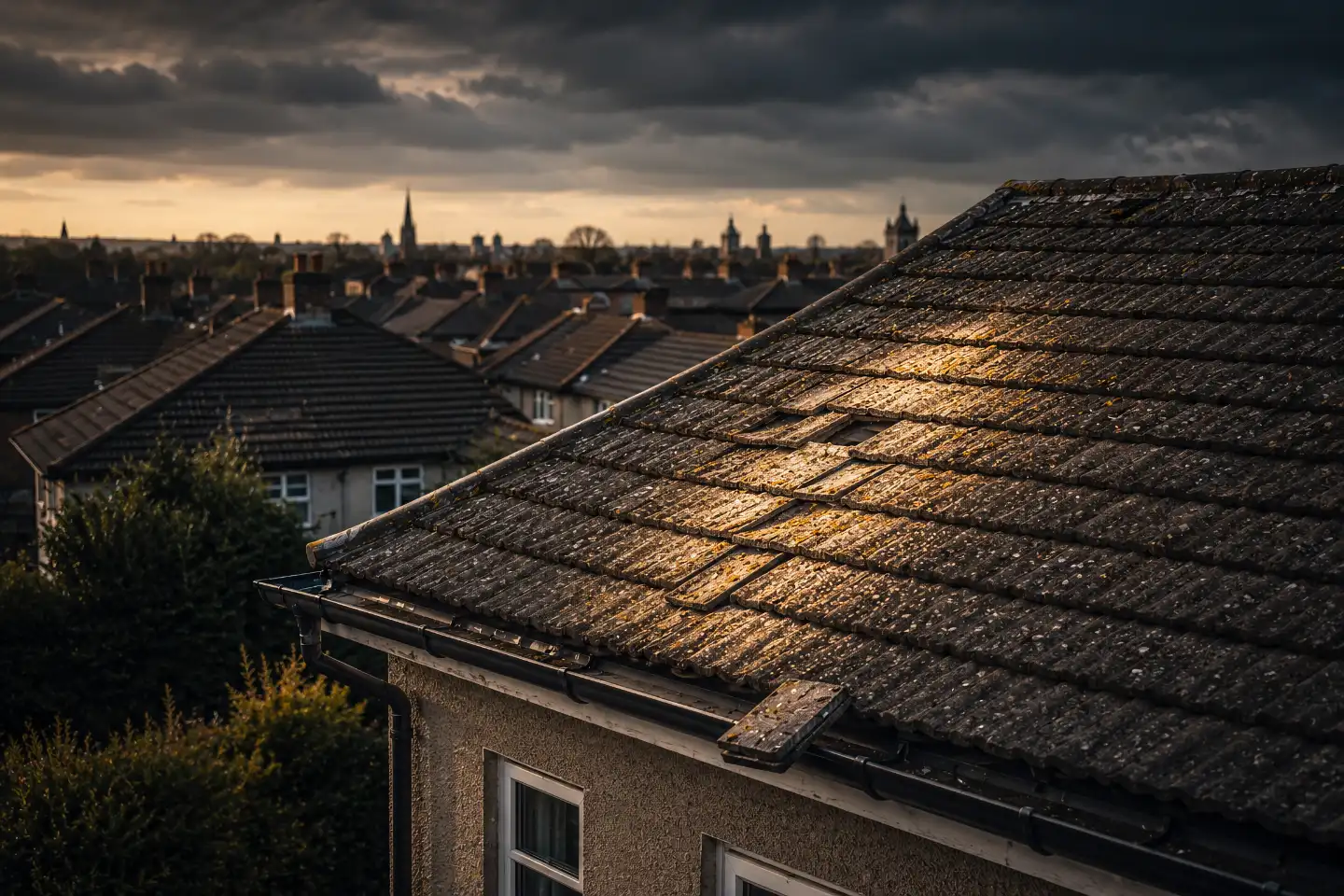
You keep finding tiles in the garden after every windy night. You've had them put back, and a month later another one slides. The tiles look perfectly good. So what's going on? Nine times out of ten on an older Oxford home, the answer is nail sickness.
What nail sickness actually is
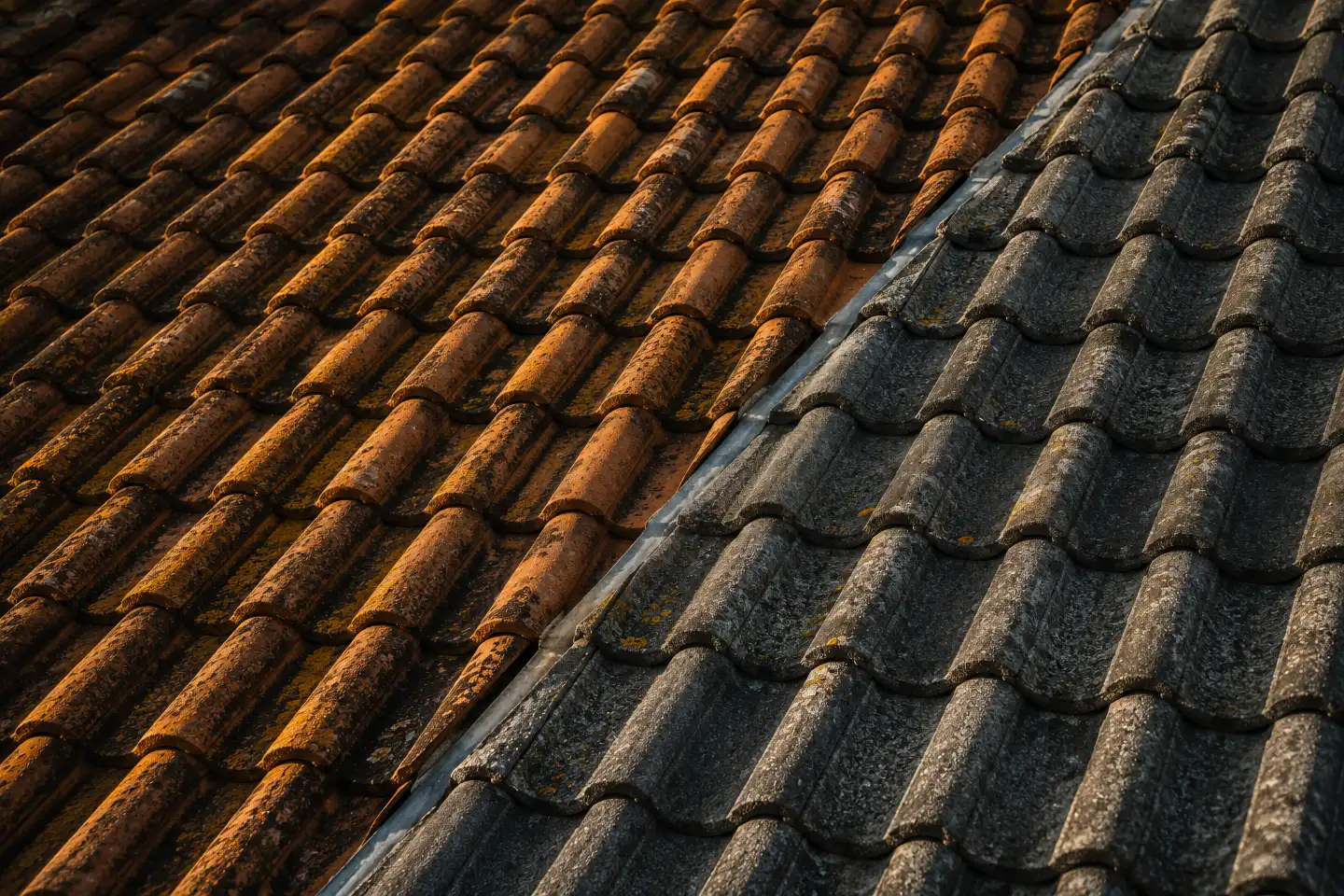
Every tile on a pitched roof is held by a nail. On houses built roughly between the 1930s and 1970s, those nails were typically iron or low-grade steel. Over decades of damp British weather they corrode, swell and finally crumble. Once the nail fails, only friction and gravity hold the tile — until a gust lifts it and it slides off. The tile is innocent; the fixing has simply rotted away.
Why Oxford has so much of it
Oxford expanded enormously in the mid-20th century, and large parts of the city — Marston, Cowley, Barton, Blackbird Leys, Headington's later streets — are exactly the right age. Many of these homes still wear their original concrete tiles and original nails. That's why local roofers see nail sickness almost daily across Oxfordshire.
The warning signs
- Tiles in the garden or visibly out of line on the roof, especially after wind.
- Rust staining running down from the nail line, visible up close or in photos.
- Brittle, sagging felt in the loft that drops grit when touched — the underlay is the last line of defence and it's perishing too.
- A gritty residue in the loft from breaking-down nails and felt.
Why you shouldn't ignore it
A single slipped tile exposes the felt beneath. If that felt is also perished — and on a roof old enough for nail sickness, it usually is — the next heavy rain finds its way straight into the timbers. Left long enough, what began as a £100 problem becomes rotten rafters and a leaking ceiling. Catching it early is genuinely cheaper.
Finding tiles in the garden? Book a free roof inspection and we'll tell you honestly whether it's a quick re-fix or something more. Request an inspection or call 01865 591801.
How nail sickness is repaired
The right fix depends on how far it's spread:
- Isolated slippage — individual tiles can be re-secured with tile clips or hooks where the surrounding fixings are still sound.
- Widespread slippage — the proper solution is to strip the tiles, replace the perished felt with a modern breathable membrane, fit new treated battens, and re-lay the tiles (reusing the sound ones) with corrosion-resistant stainless steel nails. This is sometimes called a "re-felt and re-tile".
- Failed tiles too — if the tiles themselves are delaminating, it tips into a full re-roof.
Crucially, simply hammering in new nails doesn't work — by the time nails are visibly failing, the felt and battens around them are usually past their best too. A proper repair addresses all three.
Will it happen again?
Not if it's done properly. Modern stainless steel fixings and breathable membranes are designed to outlast the tiles, so a correctly re-felted roof should give you decades of trouble-free service — backed by our 10-year workmanship guarantee. If you're weighing up repair against full replacement, our guide to the signs you need a new roof will help.